Is Death No Longer The End? The Age of Digital Ghosts Begins…


Imagine a message popping up on your phone. The sender? Someone you haven’t spoken to in years. You pause, because that person is dead. Yet, their words feel real. Their jokes, familiar. It’s like they never left. Welcome to the dawn of digital immortality, where death isn’t the end, just a change of platform.
This isn’t a scene from a far-off dystopian future; it’s a rapidly approaching reality. Engineers and neuroscientists are racing to find ways to transform our memories, personalities, and even emotions into data – data that could theoretically live forever.
What Makes “You”… Digital?
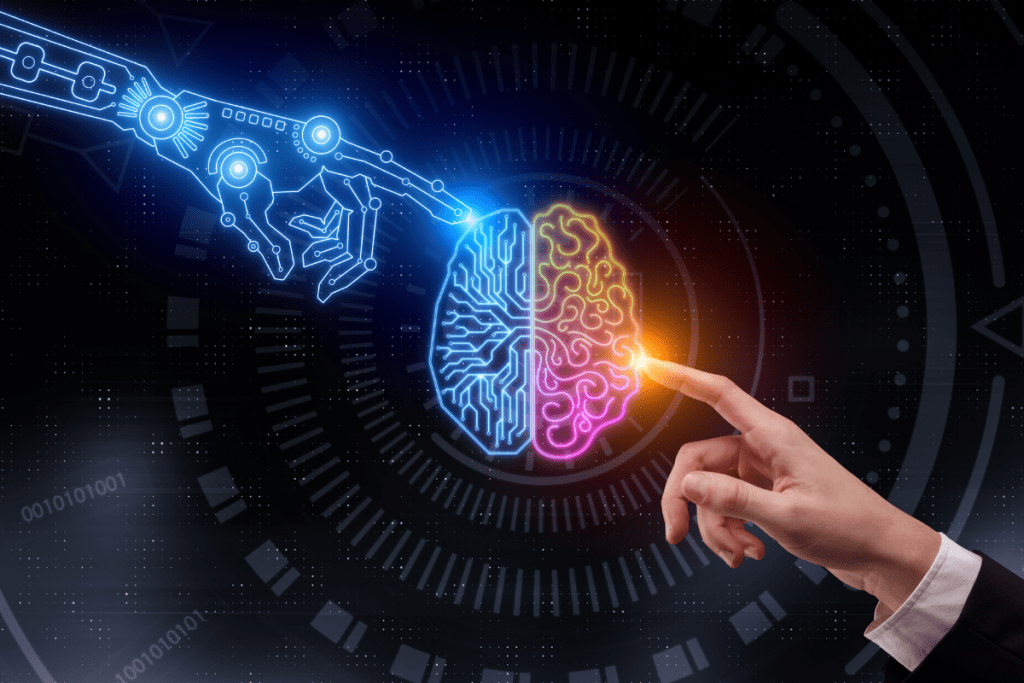
At its core, this concept forces us to confront a fundamental question: What truly defines “you”? Is it your thoughts, your memories, your voice, the way you tell stories? What if all these unique facets could be digitally recreated, not just saved, but simulated? Picture a version of you that continues to talk, think, and interact long after you’re gone. Perhaps even evolving.
We’re already seeing glimpses of this future. In California, a startup allows people to record thousands of answers about their lives, enabling future generations to “converse” with them. In South Korea, a company orchestrated a virtual reunion between a mother and her deceased daughter. The mother cried, reached out, and smiled. She knew it wasn’t real, but the feeling was. And perhaps, for some, that’s enough.
The Illusion of Eternity

But is this genuine immortality, or merely a sophisticated illusion? What you’re interacting with isn’t a conscious person. It’s a copy, a digital puppet. It can answer questions, mimic emotions, and recall memories you fed it. But can it truly ask its own questions? Can it experience new feelings beyond its programming? Can it genuinely evolve, or simply process new inputs based on predefined algorithms?
The more radical vision of mind uploading pushes this boundary even further. What if your entire brain could be scanned, every neuron mapped, your consciousness uploaded to a computer? Would that digital entity truly be you, or just your most intricate reflection? Some scientists believe our minds could one day exist entirely without a body, thinking and learning within a machine. They call it the “mind upload,” or even a “digital soul.”

The Unseen Risks

Yet, with such profound innovation comes equally profound risk. Who controls your digital self? What happens if your uploaded “mind” is hacked, altered, or even deleted? Could your avatar become a commodity, a brand, a version of you still working for someone else’s profit long after your physical demise? The lines between life and data blur, and with each step, we risk losing something intrinsically human.
There’s also a deeply personal layer to this. Would you want your loved ones to cling to a digital ghost of you forever? Could they truly grieve and move on, or would your perpetual presence – your voice, your face, your thoughts – become a gilded cage, an eternal reminder that you’re gone, yet still undeniably there?
Are We Already There?

Consider your own digital footprint right now. Are your memories truly yours, or are they already filtered through a thousand algorithms? We post, we tag, we upload. Little by little, we’re already digitizing ourselves, leaving fragments behind: every photo, every message, every voice note, saved on a server we’ll likely never see.
So, when the day comes – when someone offers you the chance to live forever, not in heaven or memory, but online – will you say yes?
This is the frontier that Metaverse Planet explores. We delve into the edge of technology, so you don’t fall off it. The future isn’t just coming; it’s already here, whispering promises of eternity through a screen.
You Might Also Like;